
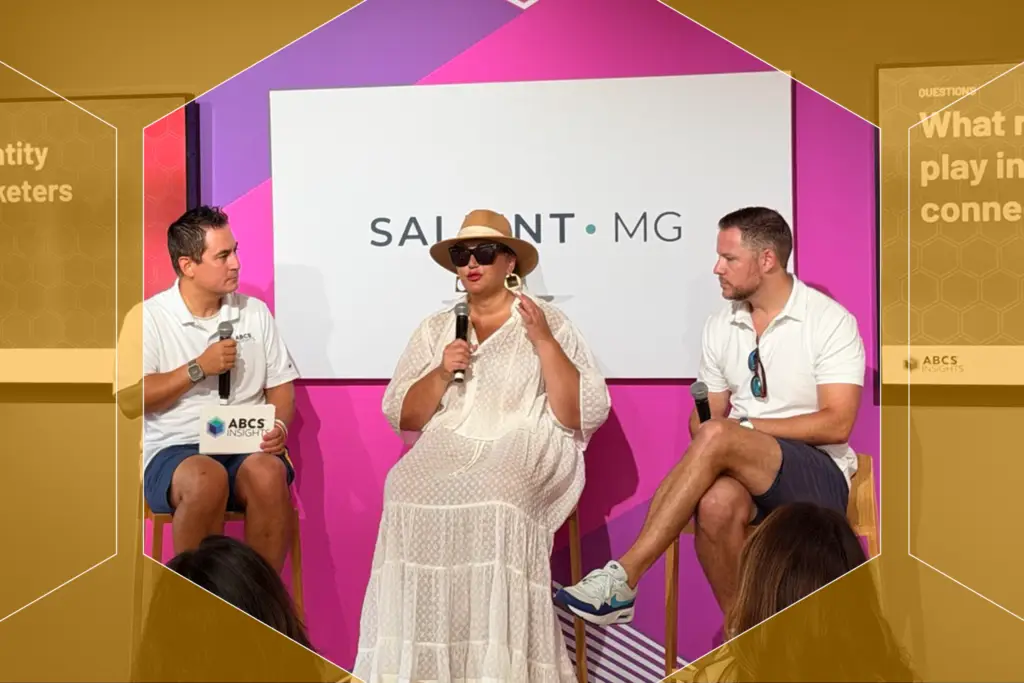
TLDR: Watch the video to hear Jerome, Daniella, and Jake’s thoughts on connecting the buyer journey.
Brands have long wanted to understand how their efforts influence sales. Until recently, they’ve had to make do with measuring distinct points in the purchase funnel. But as media and retail channels evolve, there’s growing awareness that connecting the customer journey end-to-end is a realistic option.
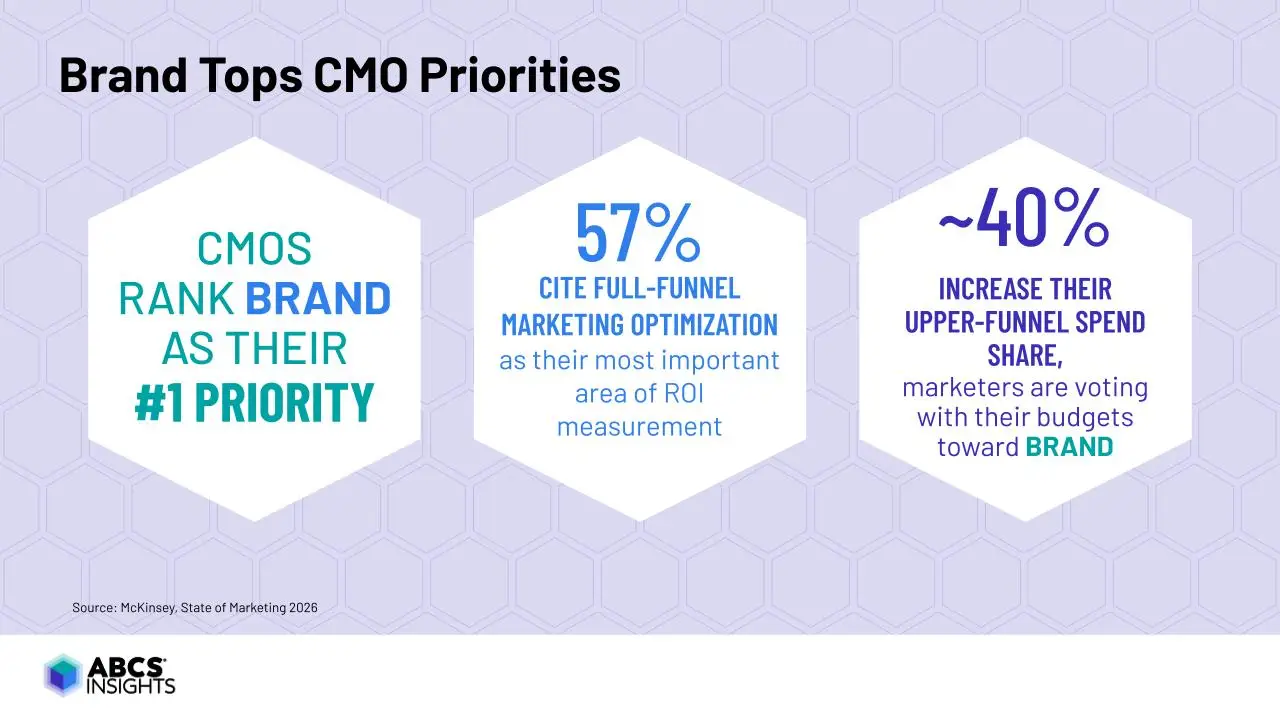
That’s why McKinsey research shows CMOs citing brand as their #1 priority – with 57% saying full-funnel marketing optimization is their most important area of ROI measurement. They’re also voting with their budgets: 40% intend to increase their share of upper-funnel spend.
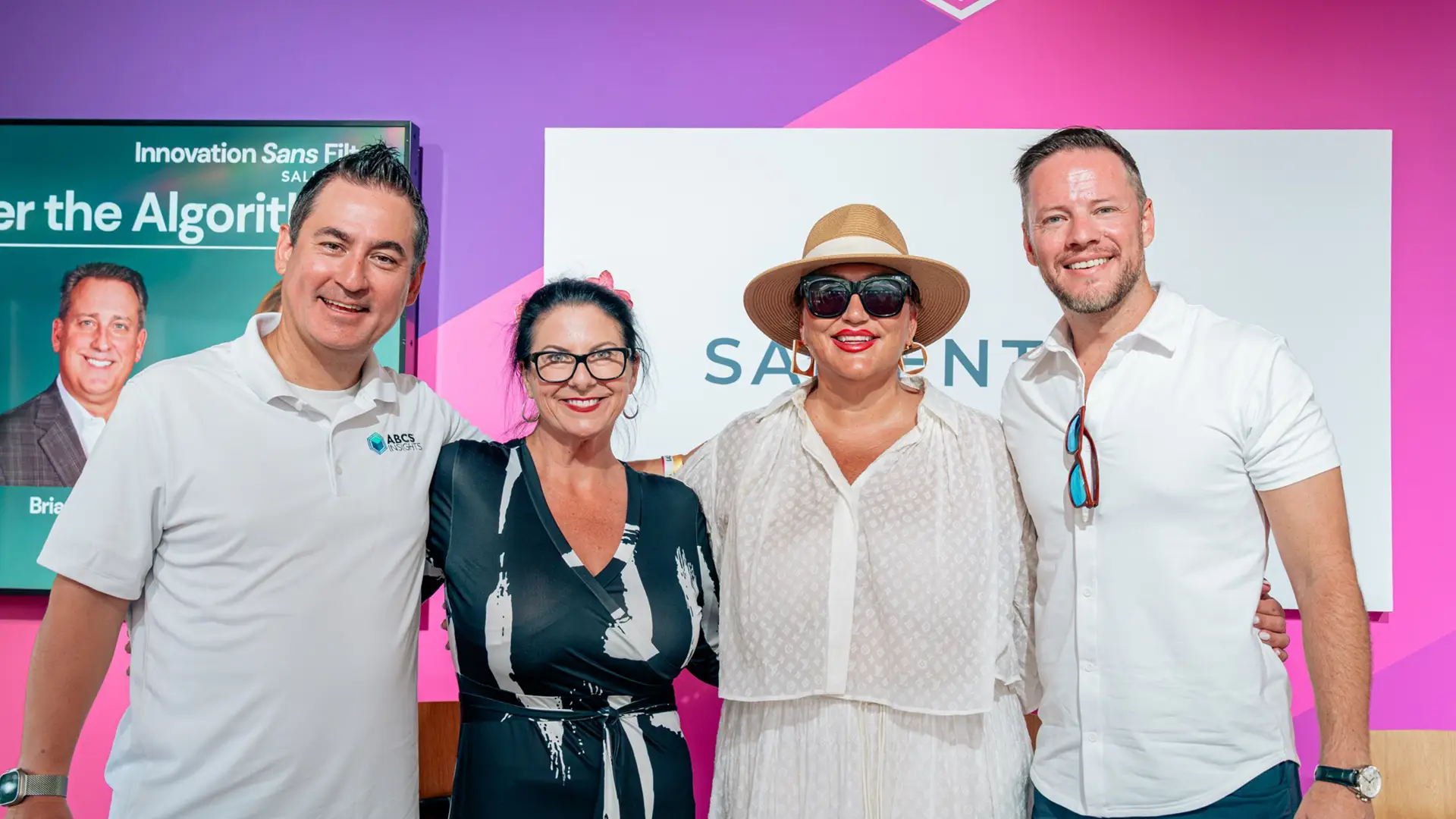
In this new era of Connected Outcomes, we wanted to understand what it takes to measure the end-to-end customer journey in the modern world. At Cannes 2026, our CEO Jerome Shimizu held a lively discussion with Daniella Harkins, SVP, Go-To-Market, LiveRamp, and Jake Myers, SVP Sales, AtmosphereTV.
The much-vaunted funnel was the first question Jerome dropped to kick off the session.
Is there such a thing as a “full-funnel” customer journey anymore — or are there thousands of journeys? And why has connecting the journey become such a difficult problem?
The modern customer journey is…complex. It’s faster and less linear. The immediacy of social media means purchase decisions can happen instantly, at the same moment a consumer becomes aware of the brand. Brand influence happens with every interaction. And sometimes, full steps in what we’ve traditionally understood as the journey are skipped entirely.
That happened to Jake. Normally a calculating consumer who deep dives into research for every purchase, he was forced to make a quick decision when the house he’d been renting was sold. He had three months to find a new house where he and his young family could live.
“There was no consumer journey for me,” he said. “Just panic, sign a contract, build a house to make sure my family has a home.”
A faster pace of life is one challenge for marketers. The speed of information is another reason why measuring the entire journey is more complex.
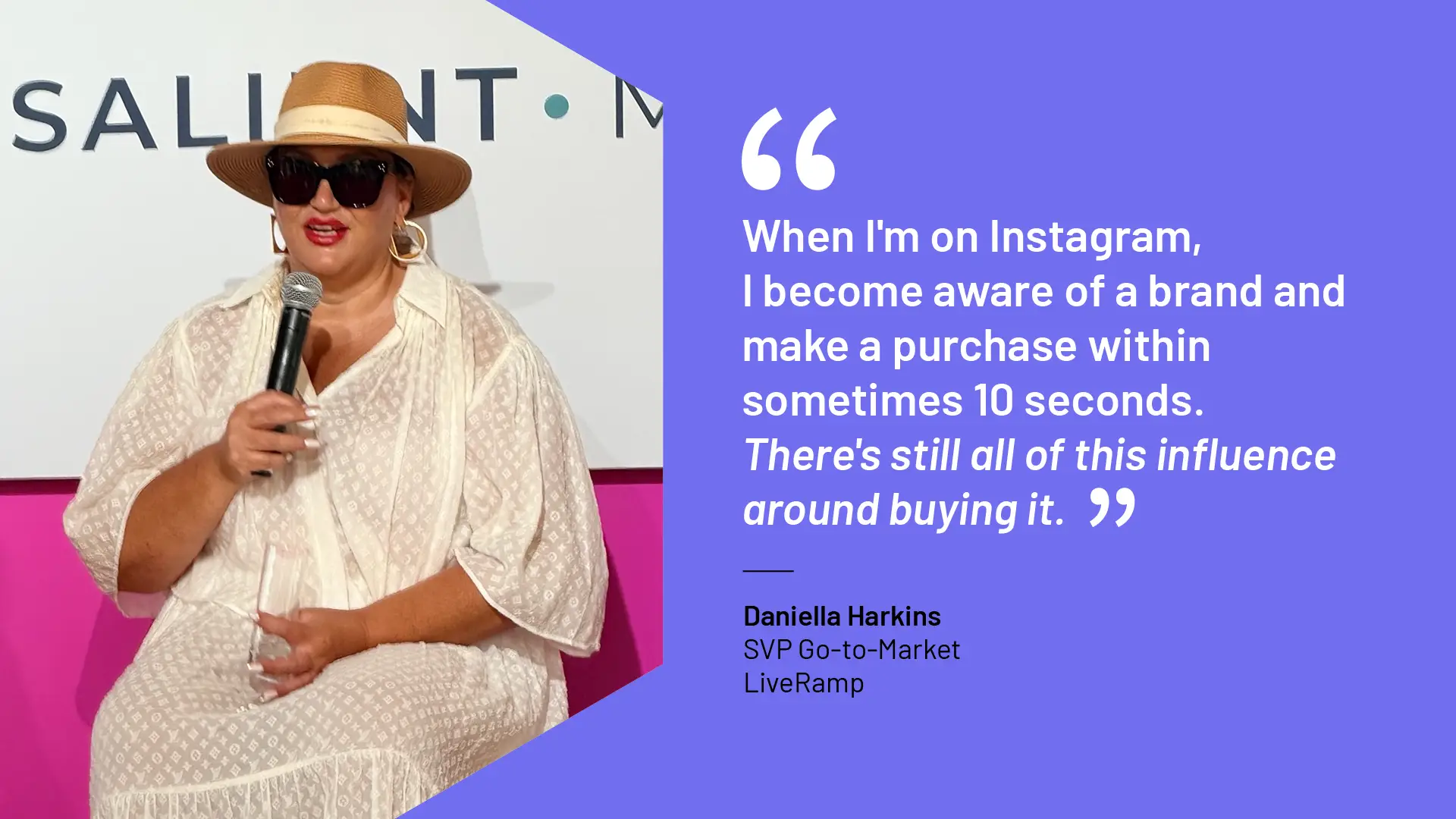
Daniella believes buying decisions are often made at the same time the consumer becomes aware of the brand.
“When I’m on Instagram, I become aware of a brand and make a purchase within sometimes 10 seconds,” she said. “There’s still all of this influence around buying it.”
Yet, AI is also changing how and where consumers become aware of products. Jerome calls this the Waffle Effect, based on his experience making waffles from scratch.
“I used to search for waffle recipes and see ads. But now with AI, I get taken straight to the recipe. I’m not seeing the same things I used to. AI search is having a pretty significant impact on where the inventory is landing.”
How do digital and physical experiences influence one another?
Marketers love to draw a hard line between digital and physical experiences — one for the awareness metrics, one for the in-store conversion. But according to our panel, that line barely exists in consumers’ minds.
“I don’t know if there is a physical experience that I’ve had in the last 20 years that hasn’t been influenced by a digital experience,” Daniella said. “We talk about digital and physical experiences, but to me it’s just an experience with a brand.”
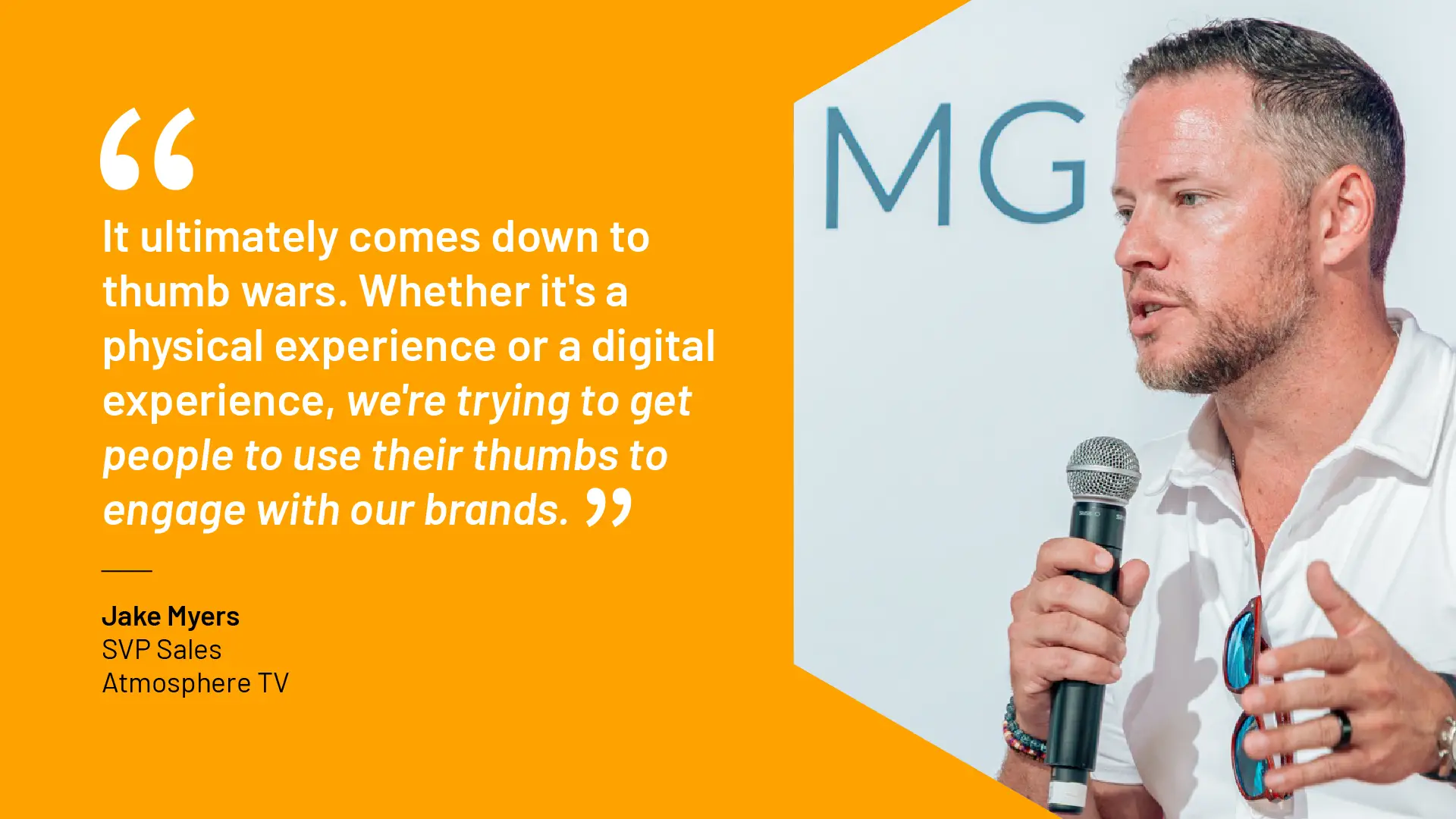
Consumers often experience a brand in multiple places at once – watching TV while they’re on their mobile device, for example.
“It ultimately comes down to thumb wars,” Jake said. “Whether it’s a physical experience or a digital experience, we’re trying to get people to use their thumbs to engage with our brands.”
Marketers have to think about the different journeys consumers take, and we can’t expect them to operate in neat little boxes. Forcing a journey won’t work in the modern world.
Retail media is a great example.
“Consumers might see a product on the retailer’s media, but then buy it at another store because that’s the one they’re visiting today,” Jerome said. “It’s not that the advertising didn’t work. It did. But it might have gone into a different channel that you didn’t expect.”
Are marketers finally moving beyond the false choice between brand and performance?
With more data, better technologies, and more opportunities to measure, marketers have what they need to connect the full journey.
“All of that lends us to being able to understand all of the different touch points, not just performance and lower funnel, but all of the different touch points someone has had with a brand,” Daniella said.
One challenge: brand marketing and performance often don’t come together because brands still have separate teams running each.
“We have some work to do to bring it all together,” she said. “But the partnerships are there, so we can absolutely do it and we’re making progress.”
For years, marketers have treated brand and performance as competing budgets, competing teams, and competing metrics — build the brand, or drive the sale, but rarely both at once. Our panel agreed that false choice is finally starting to break down.
That’s because there are more measurable points along the customer journey that are influencing other interactions.
“It’s not just the promotion. It’s not the brand advertising alone. It’s the synergy effect,” Jerome said.
And technology is making it possible for us to measure this full, complex journey, giving marketers the ability to connect outcomes and understand what actually drove a sale.
Our Panel’s Verdict: The Future is Connected Measurement
If there’s one thread weaving through our conversation, it’s this: We’ve officially moved into the Connected Outcomes Era. Audience, brand, consideration, and sales aren’t separate stories anymore—they’re one story, and the marketers who treat them that way are the ones pulling ahead.
Digital and physical have already merged in consumers’ minds, and measurement is catching up to that reality.
CMOs and their teams no longer view brand and performance as competing priorities. The most effective marketers are treating brand building and business outcomes as part of the same growth strategy.
Still want more? We packaged up the highlights from our session—the best insights, sharpest takes, and the moments that reframe how you’ll think about full-funnel measurement. A special thank you to Infillion and Salient MG for hosting us and making this conversation possible.
Watch the full video.